security service Melbourne choosing between static security guards and mobile patrols is an important decision for any business concerned about theft, vandalism, unauthorised access or safety risks. Both services can help protect commercial properties, but they work in different ways and suit different operating environments.
Static security guards provide a visible security presence at a specific location, while mobile patrol officers move between sites or conduct scheduled and random inspections. The right option depends on your property layout, operating hours, risk level, budget and the type of protection your business needs.
For Melbourne businesses, understanding the difference can make it easier to choose a security arrangement that provides practical protection without paying for services that do not match the site’s requirements.
What Are Static Security Guards?
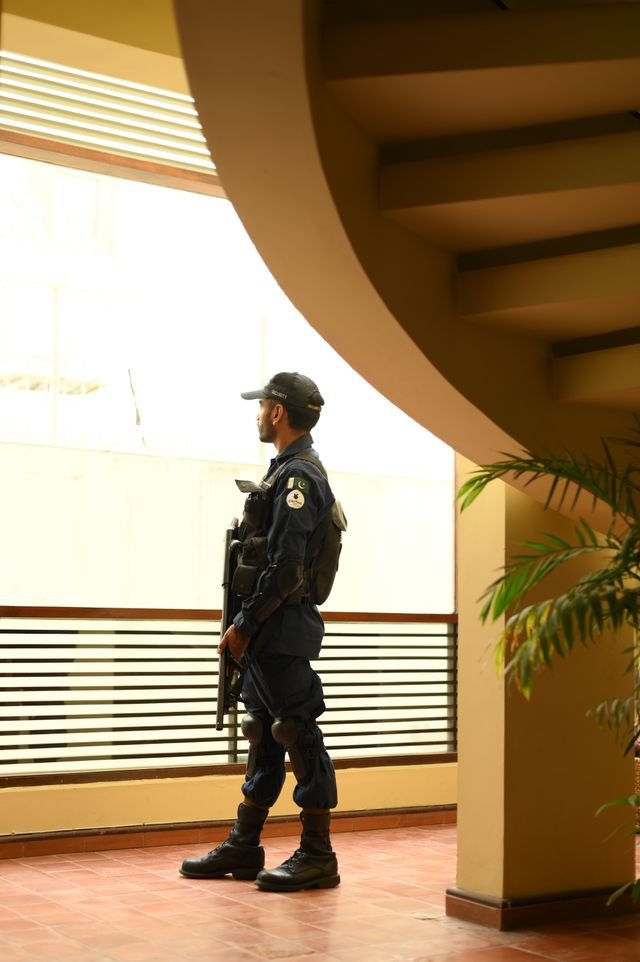
Static security guards are stationed at a fixed location for an agreed period. They may work at commercial buildings, construction sites, warehouses, shopping centres, offices, apartment complexes, hospitals, events or industrial facilities.
Their responsibilities can vary depending on the site, but commonly include:
- Monitoring entrances and exits
- Checking identification and access permissions
- Controlling visitors, contractors and deliveries
- Monitoring CCTV and alarm systems
- Conducting internal or external checks
- Recording incidents and unusual activity
- Responding to security concerns
- Providing assistance during emergencies
- Protecting staff, visitors, equipment and property
The main advantage of static security is continuous human presence. A guard can observe activity as it happens and respond immediately when an issue develops.
When Static Security Is Suitable
Static guards may be appropriate when a business needs someone present throughout a specific period. This is particularly useful for properties with regular foot traffic, valuable equipment, sensitive information or strict access requirements.
For example, a warehouse may require a guard to check incoming trucks and confirm that deliveries are authorised. A construction site may need someone to monitor access after hours and prevent unauthorised entry. An office building may benefit from a security officer who manages visitors and responds to incidents at reception.
Static security is also useful when a business wants a visible deterrent. The presence of a uniformed guard can discourage opportunistic behaviour and reassure employees, customers and visitors.
What Are Mobile Security Patrols?
Mobile patrols involve trained security officers travelling between locations in a marked or identifiable security vehicle. Patrols may be scheduled at specific times, conducted randomly or arranged in response to an alarm or reported concern.
Depending on the service agreement, mobile patrol officers may:
- Inspect doors, gates, windows and perimeter fencing
- Check for signs of forced entry or damage
- Monitor vacant properties
- Respond to alarms
- Identify suspicious activity
- Check lighting, locks and access points
- Record and report incidents
- Secure doors or gates where possible
- Contact emergency services when necessary
- Provide reports after each patrol
Mobile patrols are often used by businesses that do not need a guard stationed on-site continuously but still want regular security checks.
When Mobile Patrols Are Suitable
Mobile patrols can be a practical choice for vacant buildings, small commercial premises, industrial properties, storage facilities, development sites and businesses operating mainly during daylight hours.
They may also suit businesses with multiple locations. Instead of assigning a separate guard to each site, a patrol team can visit several properties according to an agreed schedule.
For example, a property manager responsible for several vacant commercial buildings may arrange evening and overnight patrols. A business with a large outdoor storage area may use patrols to check fencing, gates and equipment. A construction company may request patrols after workers leave the site for the day.
The main benefit is flexibility. Patrols can be planned around the times when the property is most exposed to risk.
Static Guards vs Mobile Patrols: Key Differences
Although both services aim to reduce security risks, their methods and strengths are different.
1. Security Presence
Static guards remain at one location, providing continuous observation during their shift. Mobile patrol officers spend part of their time travelling and are only physically present at a property during a patrol.
If your business needs constant supervision, static security may be more suitable. If the main requirement is regular checking and deterrence, mobile patrols may provide enough coverage.
2. Response Time
A static guard is already on-site and can respond immediately to many incidents. A mobile patrol officer must travel to the property unless they are already nearby.
However, response times for mobile patrols depend on the provider’s operating area, current workload, traffic conditions and the type of response service arranged. Businesses should ask how alarm responses are prioritised and what happens if several incidents occur at once.
3. Cost and Coverage
Static security generally involves paying for a guard’s time at the property. This can provide strong coverage but may become expensive when long shifts or 24-hour protection are required.
Mobile patrols can cover multiple properties during a shift, making them useful for businesses that need periodic inspections rather than continuous attendance. The final cost depends on patrol frequency, distance, property size, response requirements and reporting arrangements.
A cheaper service is not automatically the right service. The key question is whether the level of coverage matches the actual risk.
4. Access Control
Static guards are usually better suited to access control because they can remain at a gate, reception area or entrance. They can check identification, manage visitors and monitor deliveries as they occur.
Mobile patrols can inspect access points, but they generally cannot manage continuous visitor movement unless the patrol schedule is combined with another access-control system.
5. Visibility and Deterrence
Both services can discourage unwanted activity, but they do so differently.
A static guard provides a constant visible presence. Mobile patrols create uncertainty for anyone considering trespassing or vandalism because patrol times may vary.
Businesses should consider whether the property is more vulnerable to unauthorised access during operating hours, after closing or throughout the night.
Can a Business Use Both Services?
Yes. A combined security strategy may be useful when a property has different risks at different times.
For example, a business may use static guards during busy operating hours and mobile patrols overnight. This arrangement can provide reception and access control during the day, followed by perimeter checks and alarm response after staff leave.
A construction site may use a static guard during deliveries and high-activity periods, then rely on mobile patrols during quieter overnight hours. A shopping centre may also combine security officers inside the property with patrols across car parks and surrounding areas.
A combined approach should be based on a clear risk assessment. Using both services without a defined purpose can increase costs without improving protection.
Factors to Consider Before Choosing
Property Layout
Consider whether your property is compact, spread across several buildings or surrounded by open land. Large sites may require regular patrols, CCTV monitoring or multiple guards to cover entrances and vulnerable areas.
Operating Hours
A business that operates around the clock may need continuous security at key access points. A business that closes overnight may benefit from patrols during the hours when the premises are unattended.
Type of Risk
Think about the main threats affecting the property. These may include theft, vandalism, trespassing, aggressive behaviour, unauthorised deliveries, internal access risks or damage to equipment.
The security provider should understand the specific risks rather than offer the same service package to every business.
Staff and Visitor Activity
High visitor numbers, frequent deliveries and contractor access often increase the need for on-site security. Static guards can manage these interactions more effectively than occasional patrols.
Reporting Requirements
Ask how incidents, patrols and unusual observations will be documented. Useful reports should include the date, time, location, observations and action taken.
Clear reporting helps business owners identify repeated issues and decide whether security arrangements need to change.
Provider Experience
Choose a security company that understands your industry and property type. Ask about officer training, supervision, communication procedures, insurance, licensing and emergency escalation processes.
For businesses in Melbourne, it is also sensible to confirm that the provider meets applicable Victorian security industry requirements and can supply appropriately licensed personnel.
Common Mistakes to Avoid
Choosing Based Only on Price
The lowest quote may not include the same patrol frequency, reporting, supervision or response arrangements as another provider. Compare what is included before making a decision.
Assuming Patrols Guarantee Immediate Response
A mobile patrol is not the same as having a guard permanently stationed on-site. Ask realistic questions about response procedures, availability and expected arrival times.
Ignoring the Property’s Vulnerable Areas
Security arrangements should consider gates, loading zones, rear entrances, fencing, car parks, storage areas and poorly lit sections of the property.
Failing to Review the Service
Security needs can change after renovations, staff changes, new equipment purchases, incidents or changes in operating hours. Review the arrangement regularly rather than treating it as a permanent decision.
Not Clarifying the Guard’s Duties
Make sure the agreement explains what the officer is expected to do. Duties may include access control, patrols, CCTV monitoring, incident reporting, customer assistance or alarm response.
Frequently Asked Questions
Are static security guards more effective than mobile patrols?
Neither service is automatically more effective. Static guards provide continuous on-site presence, while mobile patrols provide scheduled or random inspections. The right option depends on the property’s risks and operating requirements.
Are mobile patrols suitable for construction sites?
Yes. Mobile patrols are commonly considered for checking gates, fencing, equipment and signs of trespassing when construction workers are not present. Larger or higher-risk sites may require static guards as well.
Can mobile patrols respond to alarms?
Many security providers offer alarm response as part of a mobile patrol service. Businesses should confirm the response process, coverage hours, communication procedures and what happens after an alarm is triggered.
Do static guards work overnight?
Yes. Static security can be arranged for night shifts, weekends or continuous coverage, depending on the provider and service agreement.
How often should a property be patrolled?
There is no single suitable frequency for every property. Patrol frequency depends on location, property value, previous incidents, access points, lighting, surrounding activity and insurance requirements.
Can security services be changed later?
Most businesses can review or adjust their security arrangements as their needs change. Check the contract terms, notice periods and any minimum service commitments before making changes.
Final Thoughts
Static security guards and mobile patrols serve different purposes. Static guards are useful when a business needs continuous supervision, access control and an immediate on-site response. Mobile patrols can suit properties that need regular inspections, alarm response and after-hours deterrence without a guard being stationed there permanently.
For some Melbourne businesses, the most practical solution may be a combination of both services. Before choosing, assess the property, identify the main risks and compare providers based on coverage, officer duties, reporting and response procedures—not price alone.
A professional security company can help assess your site and recommend a service structure that matches your operating hours, property layout and risk profile.
SEO Details
SEO Title: Static Guards vs Mobile Patrols for Melbourne Businesses
Meta Description: Compare static security guards and mobile patrols for Melbourne businesses. Learn the differences, benefits, costs and how to choose the right service.
URL Slug: static-security-guards-vs-mobile-patrols
Primary Keyword: Static security guards vs mobile patrols
Secondary Keywords:
- Static security guards Melbourne
- Mobile security patrols Melbourne
- Commercial security services Melbourne
- Security guards for businesses
- After-hours security patrols
- Construction site security Melbourne
- Alarm response security services
- Business security solutions
Search Intent: Commercial investigation. Readers are comparing two security services and want to understand which option best suits their business, property and risk level.
Suggested Internal Links:
- Melbourne security guard services
- Commercial security services
- Construction site security
- Alarm response services
- Security risk assessment
- After-hours security patrols
Suggested Image Ideas:
- A uniformed security guard monitoring the entrance of a Melbourne commercial building
- A marked security patrol vehicle inspecting a commercial property at night
- A split-image comparison showing static guarding at a gate and a mobile patrol checking fencing
- A security officer conducting an exterior inspection of a warehouse or construction site
Suggested Image Alt Text:
- Static security guard monitoring a Melbourne business entrance
- Mobile security patrol vehicle inspecting a commercial property
- Comparison of static security guards and mobile patrol services
- Security officer checking the perimeter of a Melbourne warehouse