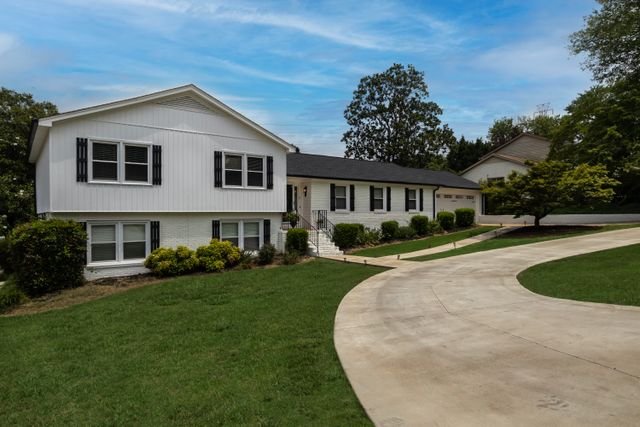
driveway resurfacing adelaide planning a new driveway in Adelaide involves more than choosing concrete, pavers or asphalt. If your driveway connects your property to the public road, you may need council approval before any work begins. This connection is commonly known as a driveway crossover, and it includes the section that crosses the footpath, verge and kerb area.
Understanding Adelaide driveway crossover requirements early can help you avoid approval delays, unexpected costs and problems with council or public infrastructure. The requirements may vary between local council areas and depending on the location, size and purpose of the driveway.
This guide explains what a driveway crossover is, when approval may be required, what councils generally consider, how the process works and what to ask your contractor before construction begins.
What Is a Driveway Crossover?
A driveway crossover is the part of a driveway that connects private property to the public road. It usually includes the vehicle crossing over the footpath or nature strip and the kerb section that allows vehicles to enter and leave the property.
It may also be described using terms such as:
- Vehicular crossing
- Kerb crossover
- Driveway layback
- Vehicle access
- Crossover construction
- Driveway entrance
The driveway surface inside your property is generally different from the public-area crossover. A homeowner may have more flexibility when choosing the private driveway material, but the crossover must usually meet council requirements.
For example, you may want a decorative exposed aggregate driveway, while council may require the crossover section to follow a particular concrete layout, width, gradient or construction detail.
Do You Need Council Approval for a Driveway Crossover in Adelaide?
Council approval is commonly required when constructing, altering or removing a driveway crossover that connects your property to the road.
This can apply when you are:
- Installing a completely new driveway entrance
- Widening an existing crossover
- Moving the crossover to another location
- Adding a second driveway entrance
- Removing an existing crossover
- Changing the kerb or footpath
- Altering the verge to provide vehicle access
- Connecting a new driveway to a different road position
For example, the City of West Torrens states that approval is needed to install a new driveway or crossover from the property boundary to the road kerb. The council also identifies separate approval requirements where a street tree needs to be removed.
The exact process depends on the council responsible for your property. Adelaide is made up of several local government areas, and each council may have its own application form, specifications, fees and inspection requirements.
Do not assume that approval from a builder, private contractor or planning consultant automatically covers the crossover. A development approval and a council works approval may be separate matters.
Why Councils Regulate Driveway Crossovers
A crossover affects public land and the way people use the street. It is not only a private construction project.
Councils generally assess driveway crossover proposals for several reasons.
Pedestrian safety
The crossover must allow vehicles to enter and leave without creating unnecessary hazards for people walking along the footpath.
Poorly designed driveways can create steep edges, uneven surfaces, trip hazards or sightline problems. The footpath should remain safe and reasonably accessible.
Street trees and landscaping
Adelaide streets often include street trees, planted verges and established landscaping. A new crossover may need to avoid existing trees or provide enough space for future planting.
Removing or interfering with a street tree may require separate council approval. A contractor should never remove, cut back or damage a council tree without checking the relevant requirements.
Kerbs, footpaths and drainage
Driveway works may affect kerbing, stormwater flow, footpath levels, drainage pits or other public infrastructure.
Changing levels without proper planning can cause water to flow towards the property, across the footpath or into an unsuitable location. Council may require the contractor to follow approved levels and construction details.
On-street parking
A wider crossover can reduce the amount of kerbside parking available outside the property. Councils may consider how the proposed location affects neighbouring properties, street parking and vehicle movements.
Roadside infrastructure
The location of Stobie poles, signs, hydrants, lighting poles, service pits and other infrastructure can affect whether a crossover is suitable.
A proposed driveway may need to be moved if it is too close to infrastructure or creates access and safety concerns.
What Adelaide Councils May Consider
There is no single crossover design that suits every property. Council requirements may depend on the following factors.
Crossover width
The required width may vary according to the type of property, expected vehicles, site layout and council standards.
A standard residential crossover may be suitable for ordinary passenger vehicles. A property used by larger vehicles, commercial vehicles or frequent deliveries may require a different design or classification.
Do not choose the width only because it looks attractive or provides easier parking. A wider crossover may reduce street parking and may not be approved in every location.
Location of the crossover
The crossover should be positioned with consideration for:
- Street trees
- Stobie poles and other roadside infrastructure
- Existing driveways
- Intersections and corners
- Footpath alignment
- Stormwater infrastructure
- On-street parking
- Neighbouring property access
The location should be checked before finalising your driveway design. Moving a crossover after concrete or paving work has started can be expensive.
Construction materials
Councils may specify acceptable construction methods or provide standard drawings for concrete, block paving, kerb transitions and crossover sections.
Concrete is commonly used for crossovers, but some councils may accept other materials when they are installed over an appropriate base and meet the required standard.
Your private driveway and public crossover do not necessarily need to be identical. However, the transition should be safe, durable and consistent with the approved design.
Levels and gradients
The crossover must connect the road and property without creating an excessive slope, abrupt edge or drainage problem.
The contractor may need to confirm:
- Existing kerb levels
- Footpath levels
- Property boundary levels
- Garage or carport levels
- Stormwater drainage direction
- Finished driveway height
- Vehicle clearance
This is particularly important on sloping blocks, older properties and sites where the footpath is not level.
The Adelaide Driveway Crossover Approval Process
The exact procedure varies by council, but the process commonly includes the following steps.
1. Check the responsible council
Confirm which council manages the road, footpath and verge outside your property. The requirements for the City of Adelaide may differ from those in West Torrens, Port Adelaide Enfield, Prospect or another council area.
2. Review the council’s crossover requirements
Look for the relevant driveway crossover application, vehicle crossing permit, engineering specification or standard drawing.
Some councils provide drawings showing acceptable crossover layouts, kerb profiles, dimensions and construction details.
3. Prepare the proposed design
You may need to provide a site plan showing:
- Property boundaries
- Existing driveway
- Proposed crossover location
- Crossover width
- Nearby trees
- Footpath and kerb
- Roadside infrastructure
- Drainage pits or service locations
4. Submit the application
Complete the required council form and pay any applicable fee. Council may request additional information or changes before approval is issued.
5. Obtain approval before starting work
Do not begin demolition, kerb cutting, footpath removal or crossover construction until the relevant approval has been granted.
Some councils may require inspections or notification before construction and after the work is completed.
6. Arrange construction
Use a contractor who understands local council crossover specifications. The contractor should be able to work from the approved plan and meet the required levels and construction details.
What If the Property Is on a Main Road?
Properties located on arterial or major roads may involve additional requirements.
A crossover on a main road can affect traffic movement, visibility, safety and road access. In some situations, council may need to refer the proposal to the relevant state road authority or obtain additional approval.
This is one reason property owners should not rely only on a general driveway quote. A contractor should first confirm whether the road has special access restrictions or referral requirements.
Common Mistakes to Avoid
Starting work before approval
This can lead to enforcement action, additional costs or the need to remove and rebuild unauthorised work.
Assuming the private driveway approval covers the crossover
A planning or building approval may not cover every activity within the public road reserve. Confirm whether a separate crossover or road works approval is needed.
Ignoring street trees
A tree located near the proposed driveway can affect its position and approval. Never remove or damage a street tree without written confirmation from council.
Choosing the crossover width too late
The crossover location and width can affect parking, landscaping, drainage and the position of the garage. Plan these details before ordering materials.
Using a contractor unfamiliar with council specifications
A driveway may look finished but still fail inspection if the crossover does not meet the approved design. Ask the contractor whether they have completed council-approved crossover work in your area.
Forgetting service infrastructure
Power, gas, water, sewer and telecommunications infrastructure may be located near the verge or footpath. Check whether service providers need to be consulted before excavation or kerb work.
Frequently Asked Questions
Is council approval required for replacing an existing driveway?
It depends on the work. Replacing the private driveway surface may be treated differently from altering the crossover, kerb, footpath or verge. If the public-area connection is changed, contact your council before starting.
Can I make my driveway crossover wider?
Possibly, but approval is usually required. Council may consider street parking, trees, infrastructure, footpath safety and the effect on neighbouring properties.
Can I build a crossover beside a street tree?
Not automatically. The tree’s location, root system and council tree-management requirements may affect the design. A separate approval may be needed if the tree is removed or affected.
Who is responsible for constructing the crossover?
In many cases, the property owner is responsible for arranging and paying for the crossover work, even though the crossover connects to public infrastructure. Confirm the responsibility and construction conditions with your council.
Can my concreter apply for the crossover approval?
Some contractors offer this service, but the property owner should confirm who is responsible for the application, fees, drawings and final approval. Get the arrangement in writing.
How early should I check the requirements?
Check before finalising the driveway layout or booking construction. Early planning gives you time to adjust the design if council identifies a problem with the location, width, tree, drainage or roadside infrastructure.
Final Thoughts
Adelaide driveway crossover requirements exist because the crossover affects more than your own property. It connects private land with public infrastructure and must be designed with pedestrians, drainage, street trees, parking and road safety in mind.
Before building or widening a driveway, contact the relevant council and confirm whether a crossover approval, works permit or additional planning approval is required. Then use a contractor who can follow the council’s approved drawings and construction conditions.
Taking these steps early can help your driveway project proceed smoothly and reduce the risk of expensive changes later. If you are planning a new driveway or crossover, arrange an assessment and request a detailed quote that clearly separates private driveway work from council-related crossover requirements.