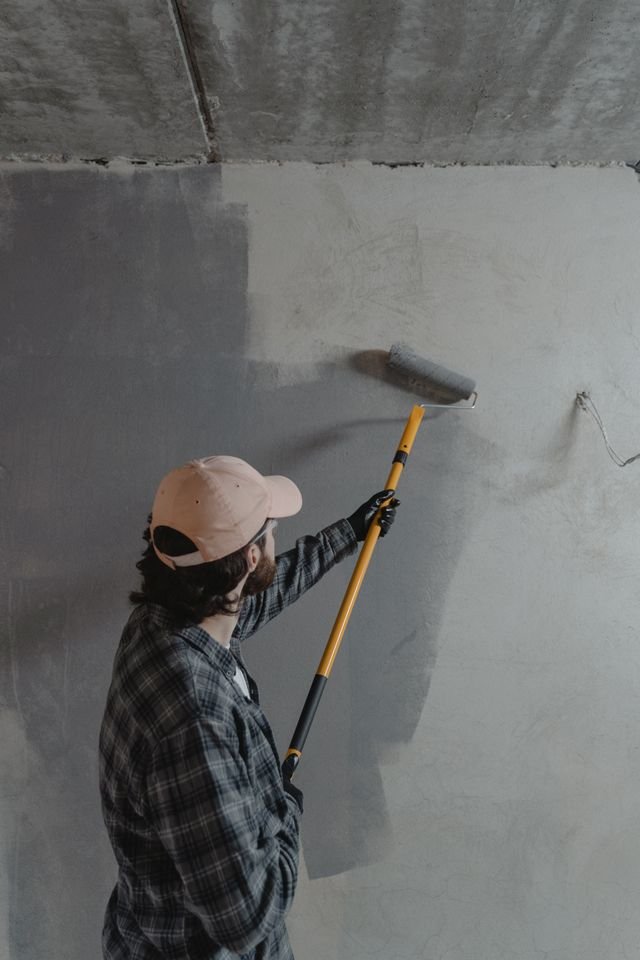
commercial painters adelaide painting your Adelaide home is not simply a matter of choosing a colour and booking a painter. The type of painting your property needs depends on the condition of the surfaces, the level of exposure, the age of the home and whether you are improving the appearance or protecting the building.
Interior and exterior painting serve different purposes. Interior paint is designed for rooms, ceilings, walls and other indoor surfaces, while exterior paint must withstand sunlight, wind, rain, temperature changes and general weather exposure. Using the wrong product or preparing a surface incorrectly can lead to peeling, fading, cracking and an unsatisfactory finish.
If you are planning house painting in Adelaide, understanding the difference between interior and exterior work will help you set a realistic budget, choose suitable materials and decide which areas should be prioritised.
What Is the Difference Between Interior and Exterior Painting?
The main difference is the environment each paint system must handle.
Interior painting focuses on appearance, comfort, cleanliness and everyday wear. Walls may be exposed to fingerprints, furniture movement, cooking fumes, moisture and regular cleaning. Interior paint is therefore selected according to the room and how the surface will be used.
Exterior painting has a more protective role. Outdoor surfaces are exposed to Adelaide’s hot summers, strong sunlight, wind, rain and changing temperatures. Exterior coatings need to adhere securely, resist weathering and help protect materials such as timber, masonry, render and previously painted surfaces.
The preparation process can also vary. Interior walls may need patching, sanding and stain blocking, while exterior work may involve pressure cleaning, removing flaking paint, treating surface deterioration and repairing cracks before painting begins.
A professional painter should assess the surface first rather than assuming that the same paint and preparation method will work throughout the property.
When Does Your Adelaide Home Need Interior Painting?
Interior painting is often considered when rooms look tired, marked or outdated. However, repainting is not only about changing colour. It can also improve the condition and usability of living spaces.
Signs Your Interior Needs Repainting
Your home may benefit from interior painting if you notice:
- Scuff marks, fingerprints or visible stains
- Faded or inconsistent wall colour
- Peeling, bubbling or cracked paint
- Water marks or discolouration
- Patchy areas from previous repairs
- Mould or mildew concerns in damp rooms
- A dated colour scheme
- Paint damage around doors, windows or high-traffic areas
Hallways, kitchens, living rooms and children’s bedrooms often show wear sooner because they receive more daily use. Ceilings may also require attention if they have become yellowed, stained or uneven in colour.
Choosing Paint for Different Rooms
The best interior paint depends on the room.
Living rooms and bedrooms:
Low-sheen or washable finishes are commonly suitable because they provide a soft appearance while being easier to maintain than flat paint.
Kitchens and laundries:
These areas may benefit from a durable, washable coating that can handle marks, humidity and occasional splashes.
Bathrooms:
Moisture-resistant products and suitable ventilation are important. Paint alone will not solve ongoing water leaks, condensation or poor ventilation.
Hallways and entrances:
A durable finish can be useful in areas exposed to bags, shoes, furniture and frequent contact.
Ceilings:
Ceiling paint is usually selected to minimise glare and help disguise minor surface imperfections. A ceiling with water damage should be inspected and repaired before painting.
Interior painting is also an opportunity to improve how rooms feel. Lighter colours can make some spaces appear more open, while warmer or deeper colours may create a more enclosed and comfortable atmosphere. The result will depend on natural light, room size, flooring and existing furnishings.
When Does Your Adelaide Home Need Exterior Painting?
Exterior painting is closely connected to property maintenance. A fresh coating can improve kerb appeal, but the more important consideration is whether the existing paint system is still protecting the surface underneath.
Signs Your Exterior Needs Attention
Look for:
- Faded or chalky paint
- Peeling, flaking or blistering
- Cracks around windows and doors
- Exposed timber or bare substrate
- Water marks or staining
- Rust around metal fixtures
- Deteriorating render or masonry
- Gaps or failed sealant around joints
- Areas where the previous paint no longer adheres properly
Fading is especially noticeable on walls and trims that receive strong sunlight. Coastal properties may also experience additional exposure to salt-laden air, while homes in open or elevated areas can be affected by wind and dust.
Painting over damaged or unstable paint rarely provides a long-term solution. If the underlying surface is not sound, the new coating may fail along with the old one.
Adelaide’s Climate and Exterior Paint
Adelaide’s climate makes exterior preparation particularly important. Hot, dry conditions and strong sunlight can place stress on painted surfaces. Temperature changes can also cause materials to expand and contract, which may contribute to cracking or movement around joints.
Exterior paint selection should take account of:
- The amount of direct sunlight
- Whether the property is near the coast
- The material being painted
- Existing paint condition
- Exposure to wind and rain
- The colour being selected
- The age and movement of the building materials
A professional should also consider the timing of the project. Painting during unsuitable weather, excessive heat or high winds can affect application, drying and the final finish. The exact conditions required will depend on the paint manufacturer’s instructions.
Interior vs Exterior Painting: Which Should You Prioritise?
If your budget does not allow you to repaint the entire home, prioritise the areas that need attention most urgently.
Prioritise Exterior Work When:
- Paint is peeling or exposing the surface
- Timber is becoming weathered
- Cracks or failed sealant are allowing water entry
- The property is showing signs of moisture damage
- The exterior coating is severely faded or deteriorated
- You are preparing the home for sale and the frontage looks neglected
Exterior deterioration can become more expensive if it allows damage to spread into timber, render or other building materials.
Prioritise Interior Work When:
- Rooms have heavy marks or stains
- You are renovating or preparing for sale
- The colour scheme feels outdated
- Walls have been repaired and need a consistent finish
- There are visible signs of interior moisture or mould
- You want to improve the appearance of high-use areas
If there is active water damage, leaking plumbing or mould caused by a building issue, address the cause before repainting. Otherwise, the problem may return beneath the new coating.
What Does the Painting Process Involve?
A quality painting project usually includes more than applying two coats of paint.
1. Initial Inspection
The painter should assess the condition of the walls, ceilings, trims and exterior surfaces. This helps identify repairs, access issues and the most suitable preparation method.
2. Surface Preparation
Preparation may include cleaning, sanding, scraping, filling holes, repairing cracks, removing loose paint and applying primer where required.
Exterior surfaces may need additional cleaning or treatment, especially if they contain dirt, mould, chalking or weathered material.
3. Protection and Setup
Floors, furniture, windows, landscaping and nearby fixtures should be protected. Exterior work may also require attention to paths, gardens, outdoor furniture and neighbouring surfaces.
4. Painting
The paint is applied using brushes, rollers or spraying equipment depending on the surface and project requirements. Different areas may need different products or finishes.
5. Inspection and Touch-Ups
A final inspection should identify missed areas, uneven coverage, paint splashes or areas requiring additional attention.
Ask for the full process to be explained in the quote so you understand what is included and what may be charged separately.
How Much Does Interior and Exterior Painting Cost?
Painting costs vary significantly from one Adelaide property to another. The final price can depend on:
- Total surface area
- Number of rooms
- Ceiling height
- Single-storey or double-storey access
- Surface condition
- Amount of preparation required
- Paint quality and number of coats
- Interior or exterior location
- Doors, trims, windows and feature walls
- Access equipment or difficult working areas
- Furniture movement and protection requirements
Exterior painting may cost more when surfaces are difficult to access or require extensive repairs. Interior painting may become more involved when rooms contain high ceilings, detailed trims, wallpaper removal or substantial patching.
Rather than comparing quotes based only on the final price, check whether each quote includes preparation, primer, number of coats, materials, repairs, protection and clean-up.
Common Mistakes to Avoid
Choosing Paint Based Only on Colour
A colour may look attractive but still be unsuitable for the surface or room. Consider durability, finish, cleaning requirements and exposure before making the final choice.
Ignoring Surface Preparation
Poor preparation is one of the common reasons paint fails early. Peeling, dirt, moisture and unstable old coatings should be dealt with before new paint is applied.
Using Interior Paint Outdoors
Interior paint is not designed to handle the same weather exposure as exterior products. Using it outside can lead to premature fading, peeling or deterioration.
Painting Over Moisture Problems
Water stains, mould and bubbling paint may indicate a leak, condensation issue or other building problem. Painting over the symptom will not correct the cause.
Accepting an Unclear Quote
A quote should explain the areas being painted, preparation work, products, coats, repairs, exclusions and payment terms. Vague descriptions can lead to unexpected costs.
Choosing the Cheapest Painter Automatically
A low quote may exclude important preparation or use lower-grade materials. Compare the scope of work, experience, insurance and communication rather than price alone.
Frequently Asked Questions
Should I paint the interior or exterior of my Adelaide home first?
Prioritise the area showing the greatest deterioration. Exterior work should generally come first if surfaces are exposed, peeling or allowing moisture to reach the building materials. Interior work may take priority if rooms are heavily damaged or you are preparing to move in or sell.
Can the same paint be used inside and outside?
No. Interior and exterior paints are formulated for different conditions. Exterior products are designed to handle weather exposure, while interior products focus on indoor durability, appearance and cleaning.
How often should an Adelaide home be repainted?
There is no single schedule for every property. Repainting depends on the paint system, surface condition, exposure, preparation quality and maintenance. Inspect the property regularly rather than relying only on a fixed number of years.
Is preparation really necessary if the existing paint looks acceptable?
Yes. Even surfaces that appear reasonable may need cleaning, light sanding, filling or priming. Proper preparation helps the new coating adhere and improves the consistency of the finish.
Can painting fix cracks and peeling walls?
Painting can cover minor prepared imperfections, but it does not repair structural movement, major cracking, leaks or unstable surfaces. Repairs should be assessed and completed before painting.
What should I ask an Adelaide house painter before hiring them?
Ask about experience with similar properties, preparation methods, paint products, insurance, written quotes, project timing, clean-up and how variations will be handled. Confirm exactly which areas are included.
Final Thoughts
Interior and exterior painting solve different problems, so the right choice depends on your home’s condition, your priorities and the level of exposure each surface receives. Interior painting can refresh living spaces and improve everyday durability, while exterior painting helps maintain kerb appeal and protect the property from Adelaide’s weather conditions.
Before booking a painter, inspect the surfaces carefully and request a detailed written quote. A professional assessment can help you decide whether to repaint one room, the entire interior, the exterior or a combination of areas. With suitable preparation and the right products, your painting project can deliver a cleaner appearance and a more durable result.