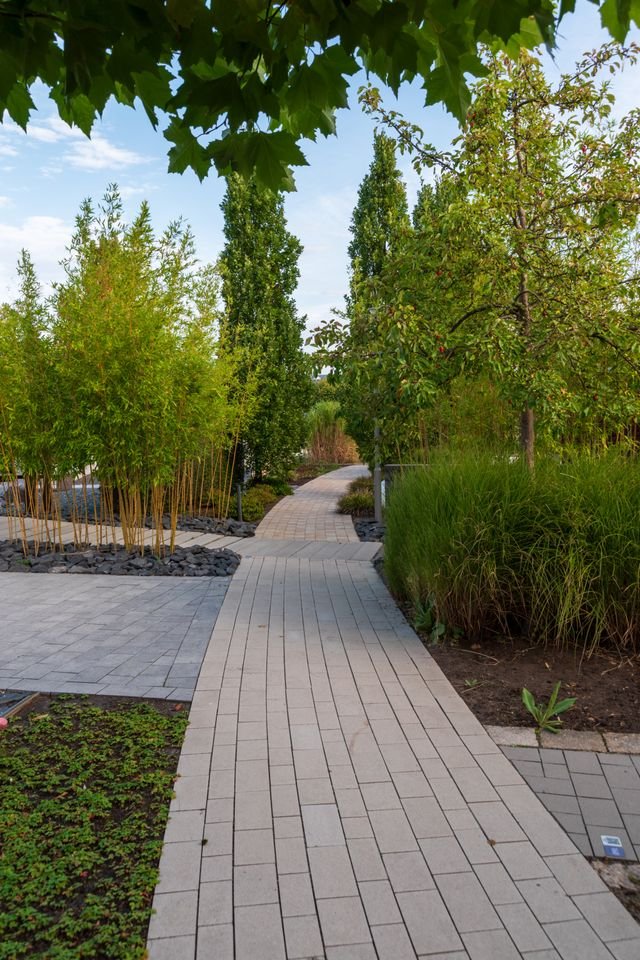
adelaide landscapers living near the beach in Adelaide offers beautiful surroundings, fresh sea air and an outdoor lifestyle. However, coastal homes also face landscaping challenges that inland properties may not experience. Salt spray, strong winds, sandy soil, intense sunlight and limited moisture can affect plants, garden structures and outdoor living areas.
The best coastal landscaping ideas for Adelaide homes focus on creating a garden that looks relaxed and attractive while also being practical and resilient. This means choosing salt-tolerant plants, using suitable materials, improving soil where necessary and designing outdoor spaces that work with the local environment.
Whether your property is close to the dunes or several streets back from the beach, a thoughtful design can help you create a low-maintenance garden that complements your home and handles Adelaide’s coastal conditions.
Understand the Conditions Around Your Home
Before choosing plants or planning paving, assess the specific conditions of your property. Not every coastal home experiences the same level of exposure.
A house directly facing the ocean may receive strong salt-laden winds and airborne sand. A property behind other homes or buildings may have more protection. Gardens closer to the beach may also have sandy, free-draining soil, while older suburban properties can have compacted fill, clay or soil that has been altered through previous construction.
Consider the following before starting your design:
- The direction of prevailing winds
- How much direct sunlight the garden receives
- Whether the soil is sandy, clay-based or compacted
- How quickly water drains after rain
- Where salt spray is likely to reach
- Existing shade from buildings, fences or trees
- The amount of maintenance you are prepared to do
- Whether you want to protect or frame an ocean view
Adelaide’s coastal environment can be harsh on plants, so selecting species according to their position is more effective than simply choosing attractive plants from a garden centre.
Choose Salt-Tolerant Coastal Plants
Plant selection is one of the most important parts of coastal landscaping. Many common garden plants struggle when exposed to salt spray, drying winds and sandy soil. Coastal natives are often a practical choice because they have adapted to similar conditions in their natural environment.
Karkalla
Karkalla, also known as Carpobrotus rossii, is a spreading succulent with fleshy green leaves and pink or purple flowers. It is particularly useful in exposed coastal gardens because it tolerates salt, wind and sandy conditions.
Karkalla can be used as:
- A groundcover for open garden beds
- A plant for retaining walls and raised edges
- A softening plant around rocks
- A container plant in sunny areas
- A way to help stabilise loose sandy soil
Its trailing habit also works well in modern coastal gardens where the planting is kept informal and natural.
Coastal Rosemary
Coastal rosemary, commonly known as Westringia fruticosa, is a versatile shrub with grey-green foliage and small flowers. It can be shaped into a low hedge, used along pathways or planted in groups to create structure.
It is suitable for gardens that need a neat appearance without constant pruning. Coastal rosemary can also provide a visual buffer between outdoor entertaining areas and neighbouring properties.
Cushion Bush
Cushion bush, or Leucophyta brownii, is recognised for its silvery foliage and rounded form. It can tolerate exposed coastal conditions and adds contrast beside darker green plants.
This plant works particularly well in:
- Gravel gardens
- Contemporary coastal landscapes
- Raised garden beds
- Front gardens
- Mixed native planting schemes
Its silver colour reflects the tones of sand, stone and weathered timber, making it useful for creating a cohesive beach-inspired design.
Creeping Boobialla
Creeping boobialla, or Myoporum parvifolium, is a low-growing native groundcover that can cope with wind, salt exposure and relatively poor soil. It is useful for covering open spaces, reducing bare soil and softening the edges of paths or retaining walls.
For a more layered garden, combine groundcovers with shrubs and a few carefully positioned feature plants rather than planting everything at the same height.
Silver Banksia and Other Feature Plants
Silver banksia can provide height, texture and seasonal interest in a coastal garden. However, some feature trees and shrubs may need protection from direct salt spray, particularly when they are young.
The most exposed parts of the garden should be planted with the toughest species. More sensitive plants can be placed closer to the house or behind wind-filtering vegetation.
Create Wind Protection Without Blocking the Breeze
Wind is one of the defining challenges of beachside landscaping. Strong winds can dry out soil, damage foliage, disturb mulch and make outdoor entertaining uncomfortable.
A solid fence may block some wind, but it can also create turbulence as air moves over and around the structure. In many gardens, a layered windbreak is more effective.
Consider combining:
- A permeable fence or screen
- Dense coastal shrubs
- Small trees positioned away from structures
- Clumping grasses
- Groundcovers around exposed soil
- Outdoor seating placed in a sheltered courtyard
Plants such as coastal rosemary, saltbush and suitable native shrubs can help filter wind while maintaining a more natural appearance.
Avoid planting large trees too close to walls, roofs, underground services or neighbouring boundaries. A qualified landscaper can help determine suitable planting positions based on the mature size of each species.
Use Materials That Suit a Beachside Garden
Coastal landscaping should not rely on appearance alone. Materials need to withstand salt, moisture, wind and regular outdoor use.
Paving
Porcelain pavers, concrete pavers and suitable natural stone can all work in coastal gardens, but the choice should be based on slip resistance, maintenance and installation quality.
Light-coloured paving can reflect the beachside character of the property, while darker materials may provide contrast against silver foliage and pale gravel. Avoid selecting a surface solely because it looks attractive in a showroom.
Drainage, correct falls and stable foundations are especially important. Poorly installed paving may shift, settle or collect water, particularly where the soil is sandy or disturbed.
Timber and Screens
Timber can create a warm, relaxed coastal look, but exposed timber may weather quickly. Choose materials and finishes suitable for outdoor coastal conditions, and understand that natural weathering is part of the appearance of many beach-inspired gardens.
Composite screening, powder-coated aluminium and other durable materials may be useful where low maintenance is a priority.
Gravel and Decorative Stone
Gravel is popular in coastal gardens because it suits informal planting and can reduce the amount of lawn. However, loose gravel may move in strong winds or become difficult to walk on.
Use gravel in defined areas with suitable edging. Larger stones, stable stepping pads and planted borders can help keep the surface organised.
Design Outdoor Areas for Coastal Living
A beachside garden should support how you use the property. If you regularly entertain, create a sheltered outdoor area close to the kitchen or living room. If the garden is mainly for relaxation, a small seating zone surrounded by resilient planting may be more suitable.
Useful coastal outdoor features include:
- A shaded seating area
- A sheltered courtyard
- An outdoor shower for rinsing off sand
- A simple firewood or storage zone
- Built-in bench seating
- A clear path from the house to the driveway
- A low-maintenance lawn or lawn alternative
- Raised garden beds for herbs and vegetables
Outdoor showers should be planned carefully so water drains appropriately and does not create damp areas near foundations or neighbouring properties.
If your home has an ocean view, avoid placing tall plants directly in the main sightline. Instead, use lower planting near the viewing area and position taller vegetation along the sides for privacy and wind protection.
Improve Soil and Irrigation Before Planting
Even coastal plants need the right growing conditions. Sandy soil drains quickly but may hold fewer nutrients and moisture. Compacted soil can create the opposite problem by preventing water from draining effectively.
Before planting, check:
- Soil structure and drainage
- Existing organic matter
- Compaction from building work
- Irrigation coverage
- Soil salinity where relevant
- The depth available for plant roots
Use compost, soil conditioners or suitable imported soil only where they are appropriate for the plants being installed. Avoid assuming that adding large amounts of rich soil is always beneficial. Some native coastal species perform poorly in overly fertile conditions.
Drip irrigation or targeted watering systems can help deliver water directly to the root zones. Newly planted gardens generally need more regular watering while plants establish, even when mature species are drought-tolerant.
Mulch can reduce evaporation and help protect the soil, but choose a mulch that is suitable for windy conditions. Very lightweight materials may blow into paths, drains or neighbouring properties.
Common Mistakes to Avoid
Choosing Plants Only for Appearance
A plant may look perfect in a nursery but fail in an exposed coastal position. Check its tolerance to salt, wind, sunlight and soil conditions before buying.
Planting Everything in One Layer
A garden filled with plants of the same height can look flat and offer little wind protection. Combine groundcovers, shrubs, grasses and feature plants to create depth.
Using Too Much Lawn
Lawns can require regular watering, mowing and maintenance. In exposed coastal gardens, consider reducing lawn areas and replacing unused sections with native groundcovers, gravel or planted beds.
Installing Fragile Materials
Cheap or unsuitable fencing, untreated timber and slippery paving may deteriorate faster near the beach. Select materials based on durability and maintenance rather than initial appearance alone.
Ignoring Drainage
Coastal gardens still need effective drainage. Water should not collect near the house, paving or outdoor structures. Include drainage planning at the beginning rather than trying to correct problems after installation.
Introducing Potentially Invasive Plants
Some ornamental plants can spread into nearby coastal vegetation or dune systems. Select appropriate local native species and ask a qualified nursery or landscape professional for guidance.
Frequently Asked Questions
What are the best plants for coastal gardens in Adelaide?
Suitable options may include karkalla, coastal rosemary, cushion bush, creeping boobialla, saltbush and selected banksias. The best choice depends on the level of salt exposure, soil type, wind and available space.
Can I have a lawn near the beach?
Yes, but lawn may require more maintenance in exposed areas. A smaller lawn combined with native planting, paving or gravel can reduce watering and mowing requirements.
How do I protect my garden from salt spray?
Use salt-tolerant plants in exposed positions, place more sensitive species closer to the house, install permeable windbreaks and rinse outdoor surfaces when appropriate.
Is gravel suitable for Adelaide coastal gardens?
Gravel can work well, particularly in contemporary or low-maintenance designs. Use suitable edging and select heavier or more stable materials where wind movement is a concern.
Do coastal gardens need irrigation?
Newly planted gardens usually need irrigation while plants establish. Mature coastal natives may require less water, but watering needs still depend on rainfall, soil, exposure and plant selection.
Should I use native plants throughout the garden?
Native plants are often well suited to Adelaide’s coastal conditions, but the garden does not have to use only natives. The key is choosing species that are suitable for the exact conditions and avoiding plants that may become invasive.
Final Thoughts
Coastal landscaping for Adelaide homes is about working with the environment rather than fighting it. Salt-tolerant plants, wind-filtering screens, durable materials, suitable drainage and practical outdoor zones can create a garden that remains attractive and functional near the beach.
Start by assessing the exposure and soil around your property, then develop a planting and materials plan that suits your lifestyle. If you are unsure which plants or construction materials will perform well, speak with a professional landscaper who understands Adelaide’s coastal conditions and can help you plan the project from the ground up.
Sources Consulted
- Green Adelaide coastal gardening and coastal plant guidance
- South Australian Government coastal garden guidance
- Adelaide Garden Guide for New Homes
- South Australian coastal plant information from the Botanic Gardens Plant Selector
- South Australian Government information about coastal environments and dune vegetation